Showing posts with label Writing. Show all posts

Wednesday, April 30, 2014

Meet the Staff: Paul

Name: Paul Sims


Major: Adult Education
Year: Second year masters degree candidate

What do you like doing best in your spare time? I like to hang out with my wife and daughter. We laugh a lot and have a great time more often than not.

Whats the best advice anyone has ever given you about writing?

Dont self-edit. Alice Sullivan, a book editor I know. I think this advice can be applied in just about every form of writing when you are just trying to get words on the paper. Dont second-guess yourself at the start. Push past the fear and say whats on your mind and heart. Let the editing take place later.

What has been the most rewarding part of your job at the Miller Writing Center?

I truly love light-bulb moments – times when clients begin to catch their own mistakes, or make some other form of improvement without my direct guidance.

 Is there anything challenging about your job in the Writing Center? If so, what is it?

Sometimes, its letting go when I dont think I got through to or connected with a client; Im left wondering if there was something more I could have done. 

When and where do you work at the MWC?:

I work in the Learning Resources Center in 3408 Haley Center from 9 a.m. to noon Tuesdays and Thursdays.

If you had a super power that you could only use in the Writing Center, what would it be and why?

Like Spider-Man shoots webs, I would like to turn up my wrist and sling a net of confidence over my clients; not so much that they become impossible to live with, but just enough to get them over their most common and damaging fears, and it would liberate, not shackle.

Any good music recommendations?


Ive been a longtime fan of the Canadian rock trio Rush. I deeply admire their professionalism, craftsmanship, and integrity. They frequently test the limits of their own creativity and skill. They can do this because a long time ago, they let the world know they would not compromise who they were and what they wanted to do. Permanent Waves is a great starting album.

- Paul

Tuesday, April 22, 2014

Writing Boo-boo #102: Wrong Word


In the English language, there are words called homophones which sound alike but don't have the same meaning. Some examples are "to, two, and too", "your and you're", and our staff's example, "there, their, and they're". Be aware of the differences between these words when you use them in writing! 


- Miller Writing Center Staff

Wednesday, April 2, 2014

Tutor Week: Meet Morgan


You've made it halfway through the week! Take a break and meet another one of our delightful tutors, Morgan


Name: Morgan McVay
Major: Public Relations with a minor in Spanish
Year: Junior​
What do you like doing best in your spare time?
I love to do anything outside, especially if it involves being in the water and the sunshine. I also enjoy reading, painting and traveling.

What’s the best advice anyone has ever given you about writing?
"If you're running out of things to say, quit writing" or "write tight." We've been taught to "fluff" our papers to make our writing longer, but if you're having to think of something else to say, your readers are probably getting bored.

What has been the most rewarding part of your job at the Miller Writing Center?
Working with the same writer over time and seeing how much they improve their writing ability from paper to paper. I love when they pick out mistakes that we've covered before I do!

Is there anything challenging about your job in the Writing Center? If so, what is it?
I think the most challenging thing is having to tell someone that their paper doesn't match the given assignment. I know they've put so much work into it, but I would rather tell them so they can fix it before turning it in.

When and where do you work at the MWC?:
Monday in RBD 3-6PM
Tuesday in RBD 4-7PM
Wednesday in the LRC 10AM-12PM

If you had a super power that you could only use in the Writing Center, what would it be and why?
The power to warm myself up. The LRC is always freezing!
More seriously though: the power to read faster. I'm a pretty slow reader, so I could probably get a lot more done in the appointment time if I could read faster.


Any good music recommendations?

I love country music, but I downloaded the Haim album recently and I can't stop listening to it.

Tuesday, March 18, 2014

Crossing the Streams: Confronting the Fear of Writing


GhostbustersdefeatingGozer.jpg


In the mid-1980s science-fiction film “Ghostbusters,” the heroes receive a warning from one of their own. In the ensuing exchange, Dr. Egon Spengler, played by the recently late Harold Ramis, reveals the consequences of “crossing the streams,” or combining the ghost-battling energy their blasters emit: “Try to imagine all life as you know it stopping instantaneously and every molecule in your body exploding at the speed of light.”

As Dr. Peter Venkman, portrayed by Bill Murray, summarizes: “Right. That’s bad. Okay. All right. Important safety tip. Thanks, Egon.”

In writing, and many other life pursuits, fear is an ever-present, yet unwelcome companion. It can be a critical motivator. It can also be a crippling nuisance. The knowledge that something is uncomfortable or for which we feel ill-equipped can seem like the notion of stream-crossing. Not knowing what is on the other side of anything we choose to attempt can keep us from trying it at all. What little we are aware of about something, such as Spengler’s 23-word pronouncement of doom, just adds another chain of restraint.
Combine with this informed feeling of dread the fact someone assigned the activity can make it seem even more daunting.

For some, the idea of viewing a writing assignment as a good thing is like a person being giddy about a root canal, or an invasive, hours-long surgical procedure. Underpinning this severe lack of enthusiasm could be multiple influences. These include – a bad experience in high school or elsewhere in college; never hearing positive feedback about writing (or anything else, for that matter);  or a perception that writing is impossibly hard.
Here’s the big reveal for this post. Ready?
All writers – from beginners to veterans – face fear.
For those just starting out, it can be the uncertainty of knowing where to start and how to phrase things, or making a mess of their work product. For the experienced, it can be the fear of trying a new technical approach, such as a creative introduction or a bending of certain rules or taking a huge topical risk.
Risk of disappointing an audience runs throughout the continuum of writers.
So, how can writers overcome these trepidations? The simple answer is by doing it, though the path forward is more complex.
Regardless of where a writer falls on the experience scale, he or she can follow these essential steps:

Brainstorm through free-writing. If a writer finds himself or herself wondering if he or she will lose a staring match with a blank page, a good way to overcome this is to take a few minutes (timing oneself is okay) and literally write down every thought. It’s okay if it’s embarrassing, or rude, or otherwise unsettling. This is not the end result. If needed, it’s perfectly fine to delete the “scratch” document or rip up the sheet of paper once the brainstorming is complete and the resulting, relevant thoughts are on a draft page.

Start writing. Get words on the page. Going back to revise is quite acceptable. The first draft may not even remotely resemble the end product, but the longer one waits to get going, the greater the likelihood that the writing piece might not be the best it could be, or that it may not get written at all.
Read aloud. While this may not work for everyone, those who are familiar with how the English language sounds when it is spoken can be a great tool to catch mistakes, or observe ways to improve the writing.

Get another pair of eyes. Take the opportunity to get a roommate, friend, relative, or classmate to read the document also. At the Miller Writing Center, our writing consultants are well-equipped to help with all of these steps and more. We work with all Auburn students at every stage of writing, from processing initial ideas to taking a last look before the work is turned in, sent off, published, or otherwise complete.

Toward the conclusion of “Ghostbusters,” Spengler decides that the best way to move forward in their situation is to cross the streams. Venkman responds that this could endanger the team and others. “Not necessarily. There’s definitely a very slim chance we’ll survive,” Spengler says in reply.


Not to give away the ending for those who haven’t seen it, but the guys do live through the experience. And for those of us who see writing the same as crossing the streams, we will too.

- Paul

Monday, February 24, 2014

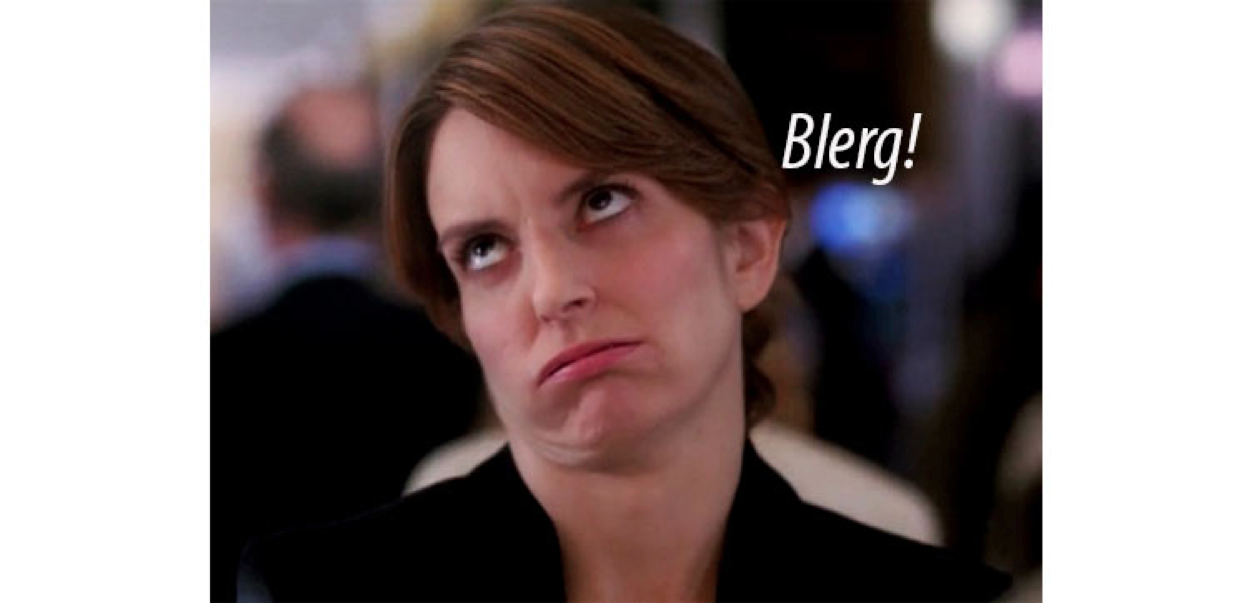
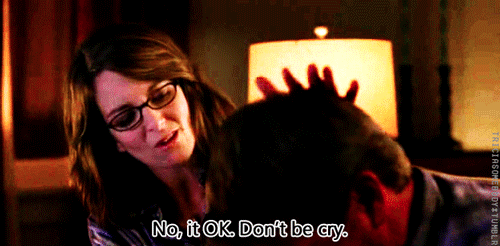
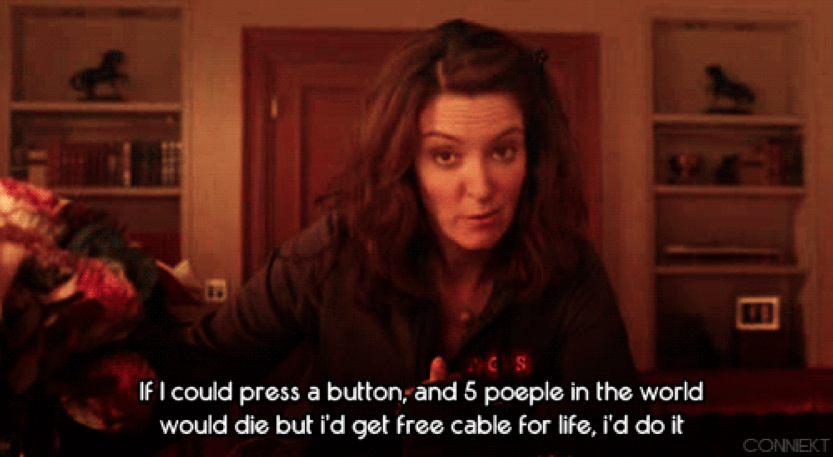
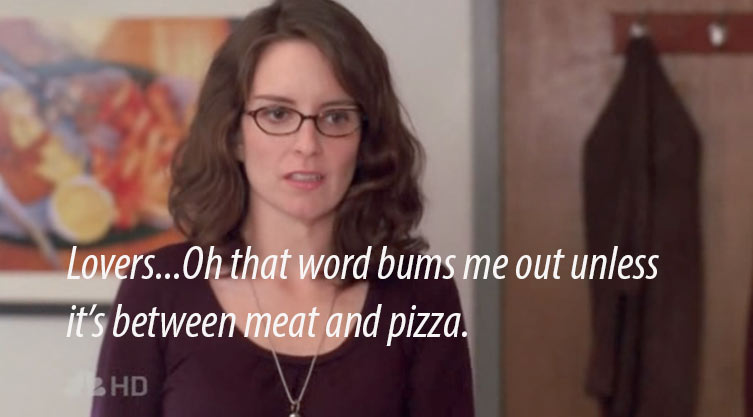
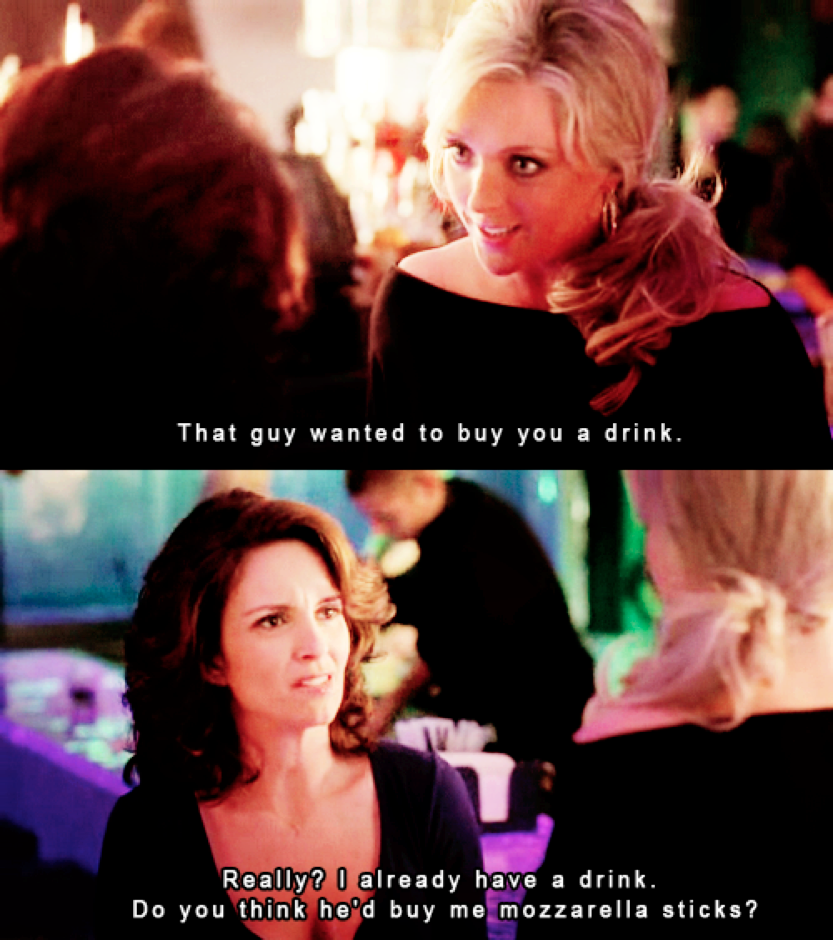
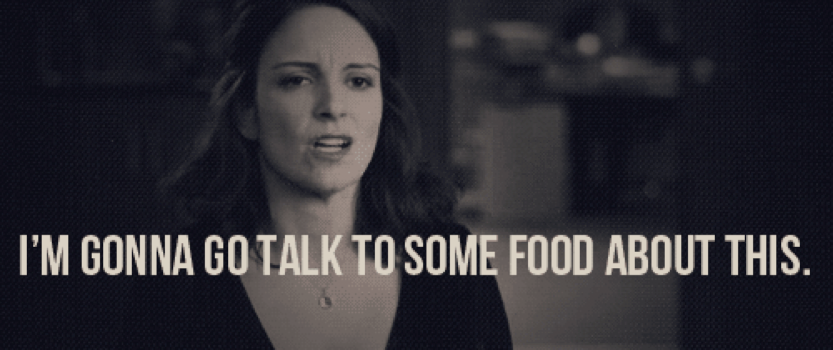
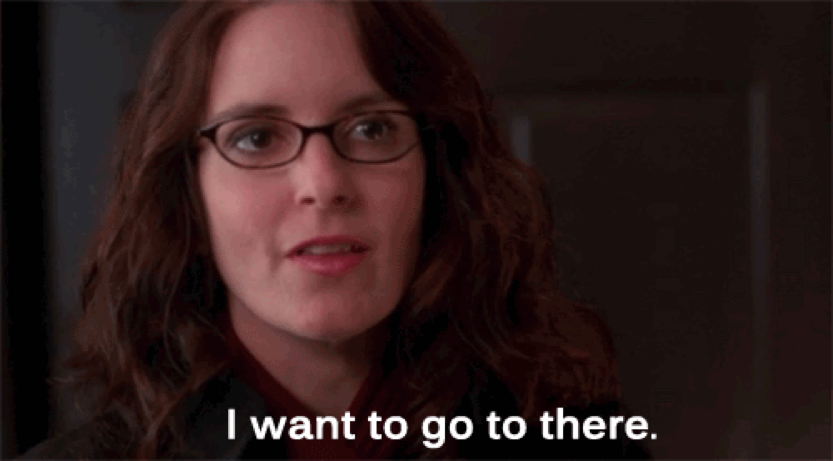
Liz Lemon’s (Somewhat) Helpful Insight About Paper Writing


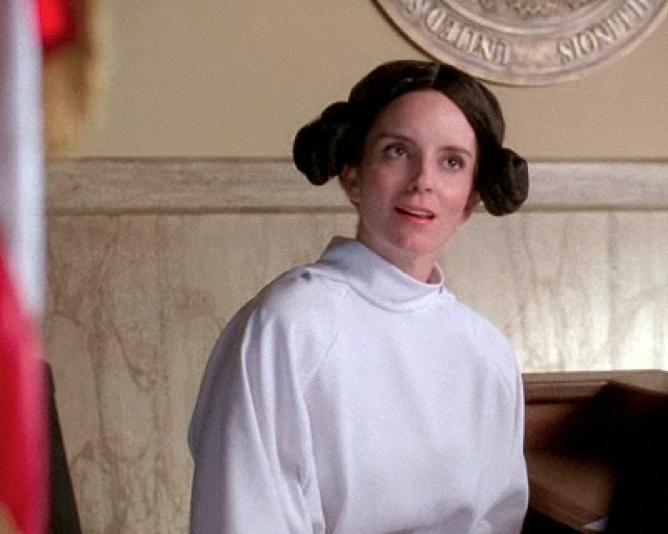
Meet my good friend, Liz Lemon.


She is the former head writer for “The Girlie Show with Tracy Jordan” on NBC. She knows that sometimes writing can make us a little crazy…


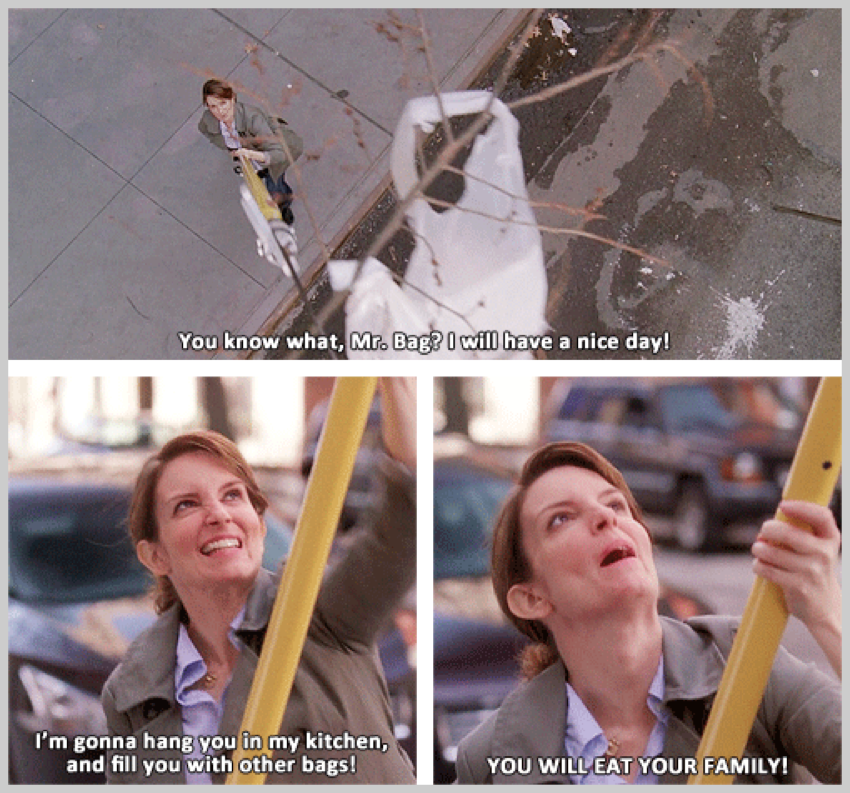
..so she is here to share some wisdom with us regarding writing.


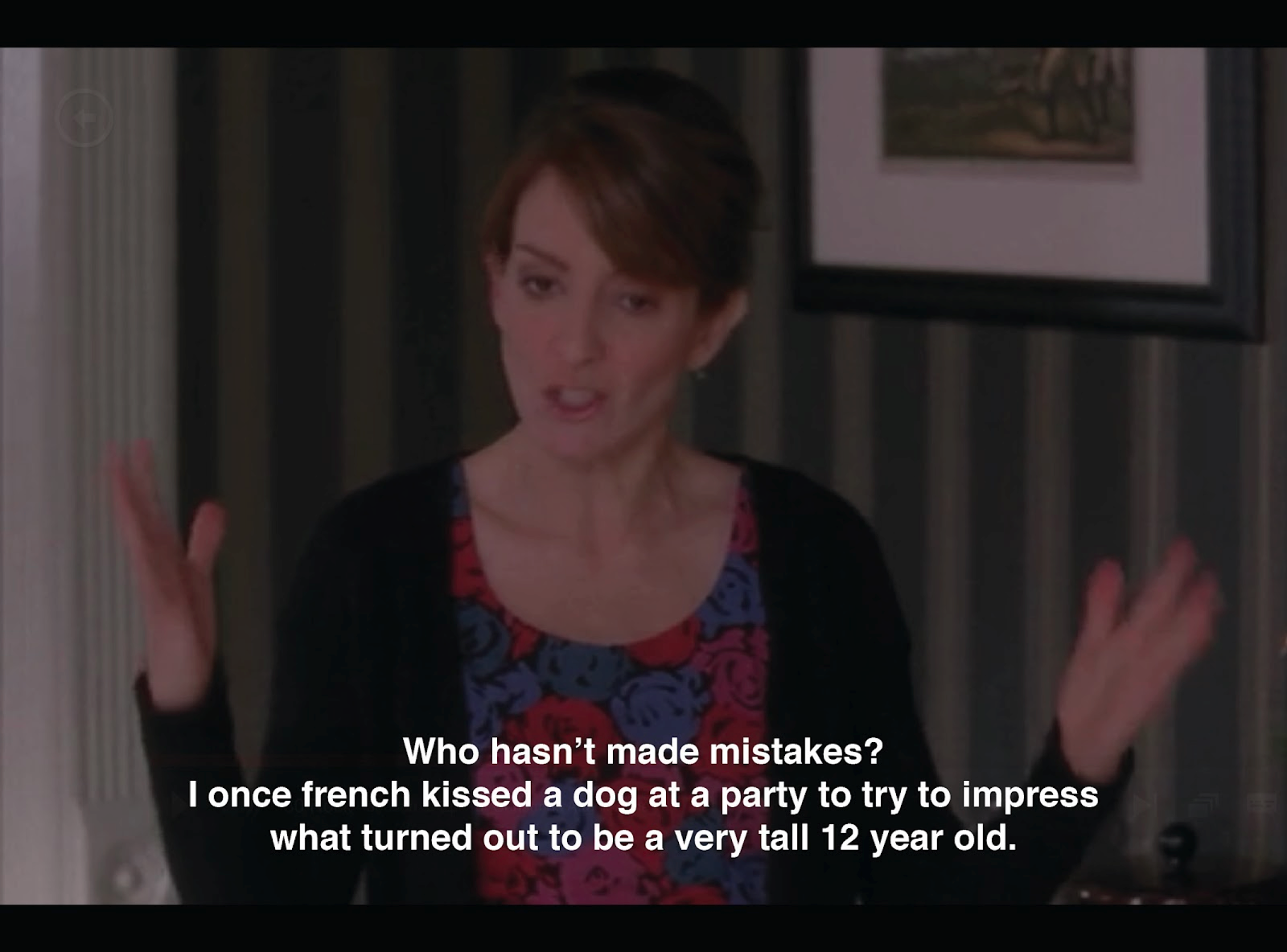
Mistakes are okay sometimes.


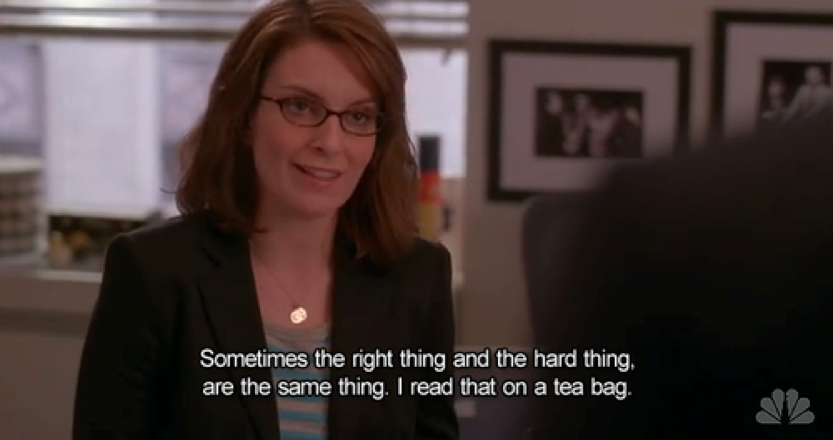
The right topic to write about might not be the easiest.


Creativity can be a good thing.*


*You probably shouldn’t use invented words in your paper.


Think about the words you use before turning in your final draft.


Sometimes, honesty in writing in the best policy...


...but you should first know your audience.


Word order is important.


In order to write a successful paper, you need to use multiple elements and not just stock up on one.


Staying in to write is a good idea, especially the night before it is due.


Talking out ideas for your paper can be helpful.


Come see us at the Miller Writing Center!


-Dianna

Tuesday, February 18, 2014

Tutor Tip Tuesday: Avoiding Passive Voice


Odds are, if you’re majoring in one of the humanities, then you’ve heard one of your professors talk about writing in the passive voice.  You might have even used the passive voice in one your papers, at which point your professor might have even given you a gentle chewing out.  Personally, I can’t disagree.  I’m a historian, and we especially loathe the passive voice because it is indirect, obscure, and, for lack of a better word, so passive.  Now, before my friends who are in the sciences get too upset with me, I’ll concede that the passive voice is acceptable in some disciplines (like science and engineering).  That said, because there are different contexts where it either is or is not acceptable to use the passive voice, it is important to be able to know what it is, what it sounds like, and how to change it, if need be, to the active voice.


So, what is the passive voice?  You are using the passive voice when you construct a sentence where the subject is being acted upon, rather than being the actor.  Here are two examples:

1.       Alabama was beaten by Auburn in the Iron Bowl.


In this sentence, Alabama is the subject, and it is being acted upon by Auburn(or Chris Davis, if you wanted to be really specific).  The construction is passive because instead of Alabama beating someone, Alabama is taking a beating.  Here is another example:


2.      Abraham Lincoln was shot by John Wilkes Booth.


Again, we have a subject, Honest Abe, who is being acted upon.  Put another way the subject, Lincoln, is passive because he is being shot by Booth. [1]

Now that we know how and why this type of construction qualifies as passive, we have to ask ourselves, how do we modify them to be active?  It is actually easy in these cases.  For example:


1.      Auburn beat Alabama in the Iron Bowl.
We know, buddy. We think switching from passive to active voice is mindblowing, too.
and


2.      John Wilkes Booth shot Abraham Lincoln.


Did you really have to use that as an example?
In these cases we changed the subjects to Auburn and John Wilkes Booth, and they are now acting upon Alabama and Abraham Lincoln, respectively.   The constructions are now active, we know who is doing what to who, we’re being direct, we’re being clear, and, most importantly, we’re avoiding the passive voice.


Happy writing.

- Jake


[1] As an aside, it hurts me to have to use the passive voice to describe the passive voice.  It is what it is, though.

Friday, February 14, 2014

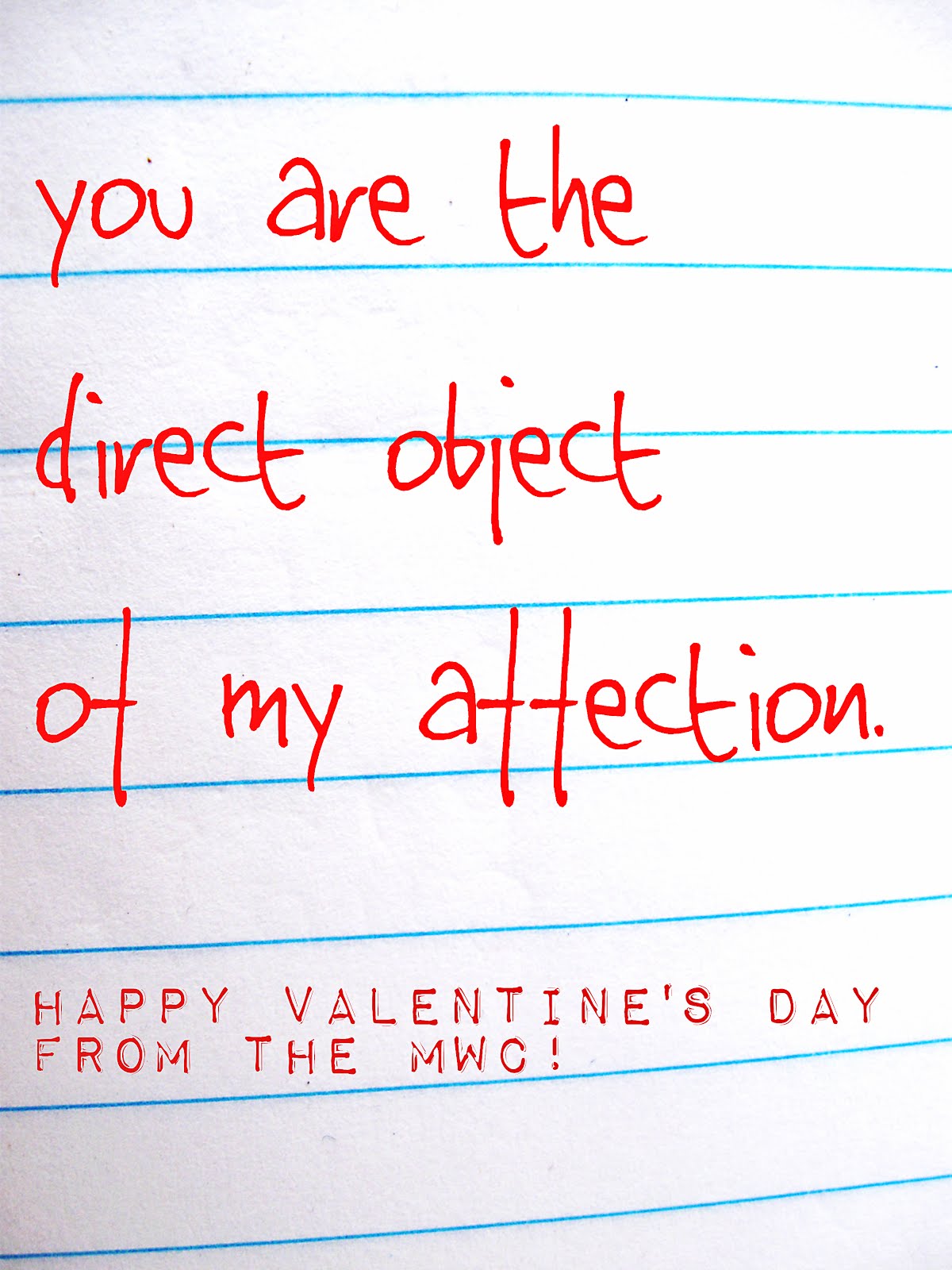
Happy Valentine’s Day from the Miller Writing Center!


It’s Valentine’s Day, and you’re probably looking for the best way to tell your special someone that you like (or perhaps even love) them. Have no fear, the Miller Writing Center is here to help make you the most romantic person on the block! (And you thought we only worked with English Comp papers. Ha!) Our staff has created a few Valentine’s Day cards for you to share with your friends. Enjoy!


TO: Student
FROM: Carson


TO: Student
FROM: Ben

TO: Student
FROM: Molly


TO: Student
FROM: Matt


TO: Student
FROM: Scott


And for all those souls who spend Valentine’s Day huddled under their comforter with Netflix by their side,


TO: Student
FROM: Courtney


The Miller Writing Center wishes you a very Happy Valentine’s Day (and a very successful chocolate haul the day after)!


- Miller Writing Center Staff

**All stock photos retrieved from morguefile.com