Showing posts with label writing center. Show all posts

Monday, April 28, 2014

Top Six With Scott: Six Reasons You’re Not Ready for the Real World


Fun fact – you will graduate college eventually. Yep, your closet of yoga pants, too-short khaki shorts, and t-shirts you got for free will soon be replaced with a closet full of business casual. But don’t regret it – growing up is fun (or at least that’s what I’m telling myself)! Still, there’s a few barriers we have to overcome before we can enter the real world. So grab your pizza Lunchable and a Sunny-D, and enjoy the top six reasons you’re not ready for the real world.
1. You treat email like text messages.
To start, if your primary email address is puppy__luvr92xxx@aol.com, you’ve got a problem. Your email address should be your name and/or initials, with as few underscores and numbers as possible. You should also create an email signature for your primary email account with your contact information.
Moving past the basics, remember the “The C’s” of emailing: clarity, concision, and choosiness.1 Be clear – tone of voice and slang don’t translate well within emails. Be concise – say only what’s necessary. Be choosy – is this appropriate for email? Should I really hit “reply all?” Sometimes, email isn’t the best option. There’s this function on your iPhone called “Phone” that can be useful.
In summary, don’t be George R.R. Martin when you email.2
2. You’re still mixing up your words.  
I’m not saying you have to write as well as Jane Austen3 to become an adult. Still, you should probably avoid ending up on a Buzzfeed list of “29 people who are causing past English teachers to roll over in their graves.” Even if you hate writing. Don’t worry, we’re here to help.
3. You aren’t giving yourself enough credit.
Here’s an example of a sentence you should never say: “Perhaps I am the right person for this job—Maybe.” This applies to your writing as well. Here’s a short list of words you shouldn’t include in your next thesis4: maybe, somewhat, perhaps, probably, possibly, kinda, I think, seems. Be confident in your writing and in your arguments. I mean it.
4. You’re still waiting to start that paper due tomorrow.
I know what you’re gonna say- “But Scott, this just proves that I can work under a deadline/under pressure/in tough situations/quickly.” Rubbish. If you have a legitimate reason to start your 6 page paper at 9pm the night before, then I support you. But just remember that you’re gonna need an even more legitimate excuse when your boss asks you how your progress is on that project you were supposed to start 2 weeks ago.
5. You’ve been wondering why your vacuum isn’t working and are just finding out it’s because you have to empty it occasionally.  
A coworker who shall remain unnamed recently told me this about herself. This has nothing to do with writing, but who are you and what have you done with your common sense?
6. You let your mom, roommate, or that random guy down the hall always quoting Shakespeare read through your paper instead of bringing it in to the Writing Center.
Does Warren Buffett ask his twitter followers the next company he should invest in? Will you ask your next-door neighbor to help you perform a hip replacement surgery at the hospital? Do you ask people from the north what their favorite brand of sweet tea is?5 Then you shouldn’t let Joe Schmo help you with your writing. Come see us – we’re trained, willing, energetic, and confident we can help you.

- Scott
Notes
1 I just made these up, but I added quotation marks to sound official.
2 Actually, don’t be like George R.R. Martin ever. He’s real bad at keeping friends.
3 If you don’t know who Jane Austen is, stay in school until you find out.
4 Probably. It’s English; there’s always exceptions.

5 Milo’s. If you answer anything but Milo’s, I can no longer help you. If you say Red Diamond, our relationship is over.

Tuesday, April 22, 2014

Writing Boo-boo #102: Wrong Word


In the English language, there are words called homophones which sound alike but don't have the same meaning. Some examples are "to, two, and too", "your and you're", and our staff's example, "there, their, and they're". Be aware of the differences between these words when you use them in writing! 


- Miller Writing Center Staff

Monday, March 31, 2014

Tutor Week: Meet Dianna!

It's Tutor Week at the Miller Writing Center, and we're showcasing some of the awesome members of our staff all week. To kick things off, we're interviewing one of our stellar lead consultants, Dianna! 

Name: Dianna Tingle
dianna.png
Major: Communication Disorders (soon to be a doctoral candidate in Audiology!)
Year: Senior/Future Graduate Student
What do you like doing best in your spare time?
If I have a lot of free time, reading is my spare time activity of choice. If I’m busy and just need a mental break, Netflix is my go-to. I also enjoy playing volleyball any chance I get.
What’s the best advice anyone has ever given you about writing?
“Write crappy rough drafts.” Seriously, before someone told me this, I focused on perfection with every sentence I wrote.  Now I get all of my ideas out on paper and write multiple drafts. It has changed my writing process and actually sped it up.
What has been the most rewarding part of your job at the Miller Writing Center?
I have enjoyed getting to know my clients over the years. I love learning from their thoughts, ideas, and papers. Everyone who comes into the writing center comes from a different background and major, so I get to learn something new every single day. My range of general knowledge is so much greater now because I get to read about so many topics from week to week. My clients also keep me updated on other important life things; for instance, do you know there is a really awesome Canvas app for iPhones? I didn’t until a client told me about it.
Is there anything challenging about your job in the Writing Center? If so, what is it?
I also struggle when reading chemistry papers, especially dissertations. I don’t know what it is about chemistry, but I have a hard time reading through all of the formulas and symbols.
When and where do you work at the MWC?:
I work on Tuesday and Thursday mornings from 9-11 in Multicultural and 2-4 on Tuesdays in RBD.
Hidden talent?
I can pogo with no hands.
Book recommendation:
If you haven’t read The Fault in Our Stars by John Green, get on Amazon Prime right now and order it.

Tuesday, March 25, 2014

Surviving Graduate School Applications: The Personal Statement

http://sciencepreps.iupui.edu/sites/default/files/personal_statements-13.png

For any student who is applying to graduate school, the personal statement is a seemingly small yet scary portion of the application process.


Have no fear! The writing center gang and I are here to help you through stressful times such as these. Below is a list of a few do’s, don’ts, and tips to help you whether you’re just starting out or you’re suffering from a terrible case of writer’s block.


Do’s & Don’ts
http://themichiganmom.com/wp-content/uploads/2014/02/dr-seuss-quotes-21.jpg
Begin your statement with a quote from your favorite author.
Don’t!
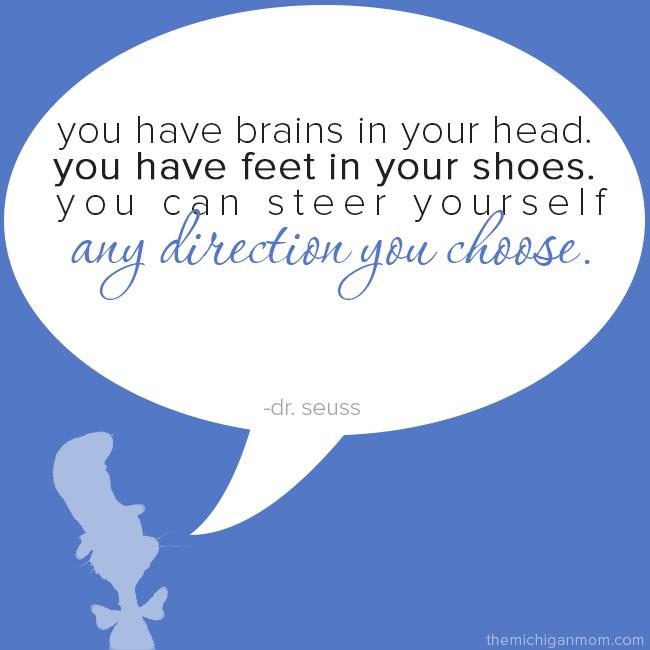
Can this approach work? Indeed, it has and it may. Is it necessary? Not at all. That Dr. Seuss quote may seem endearing, but it’s not original. Also, avoid the cliché “I’ve wanted to be a (fill in the blank) since I was a child.” There are other ways to convey your commitment to the field of your choice.
Do!
Start out with an experience that is relevant to the field you plan on entering. Use volunteer, research, and/or leadership experience you have. This will make for a great tie-in when you tell the admissions committee what you plan to do with your fancy graduate degree.


http://www.moneysideoflife.com/wp/wp-content/uploads/2012/05/future2.jpg
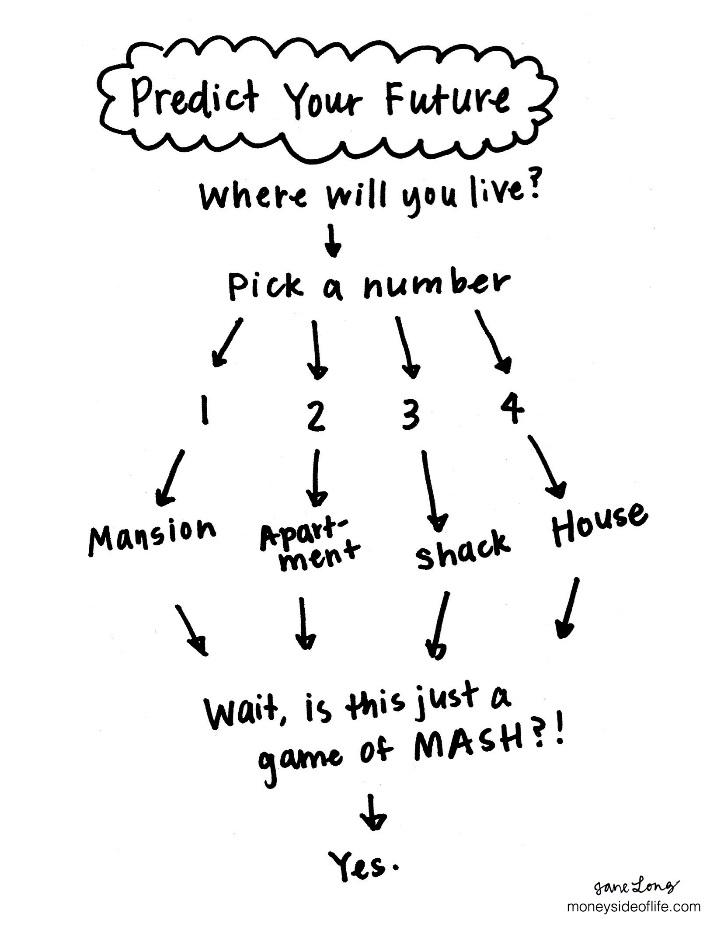
Give a detailed view of your future.
Don’t!
Well, not entirely. Asking someone to write a detailed plan of their future is pretty cruel. Some of you may know exactly where you want to work and where your life is headed. I tip my hat to the spectacular individuals who do. For many others, however, the thought of giving a detailed account of the future is terrifying.
Remember, the personal statement is 1-2 pages; you’re not writing a novel. You’re not expected to have a play-by-play of your next 10 years, but you have to remember that you are applying for graduate study for a reason.
Do!
Help the graduate admissions committee help you! Think about the job you aspire to have someday. Use this dream job to tell the admissions committee how their program will help you obtain that job. This is not a binding contract. Your graduate studies may open your eyes to another job opportunity, but you have to have some direction for what you’d like to do after graduating.http://questcareurgent.com/wp-content/uploads/2012/02/3339first_aid_kit.jpeg
Tips:
If you’re having issues getting started, look at the website for the school and department you are applying to. Ask yourself:
Why do I want to join this program? – There must be a reason why you’re interested in their school/program.
What does this school/program have to offer me? – Many applicants concern themselves with whether they are good enough for the school. It’s more important for you to consider whether the school/program is good enough for you!
Is there a specific field of research or a professor that I want to work with? – This requires you to do some research. It’s good to drop names and show the admissions committee that you have done your homework. Also, if you’re applying to multiple schools, knowing what each school/program has to offer will help you tailor each letter.
What resources are available to me? – Your best resource is always the school/program you are applying to. Try to make contacts with professors and advisors in the department you’re interested in early on. Also, AU Career Services has a handy tip sheet that can be found here.
Lastly, it may help you to think of the graduate school application as a job application. After all, being a full-time student is a real occupation.


Hopefully, these tools will help you as you work on your personal statement(s). If you need further guidance, feel free to make an appointment at The Miller Writing Center at a location nearest you!


Best of luck,
Elizabeth D.

Monday, February 24, 2014

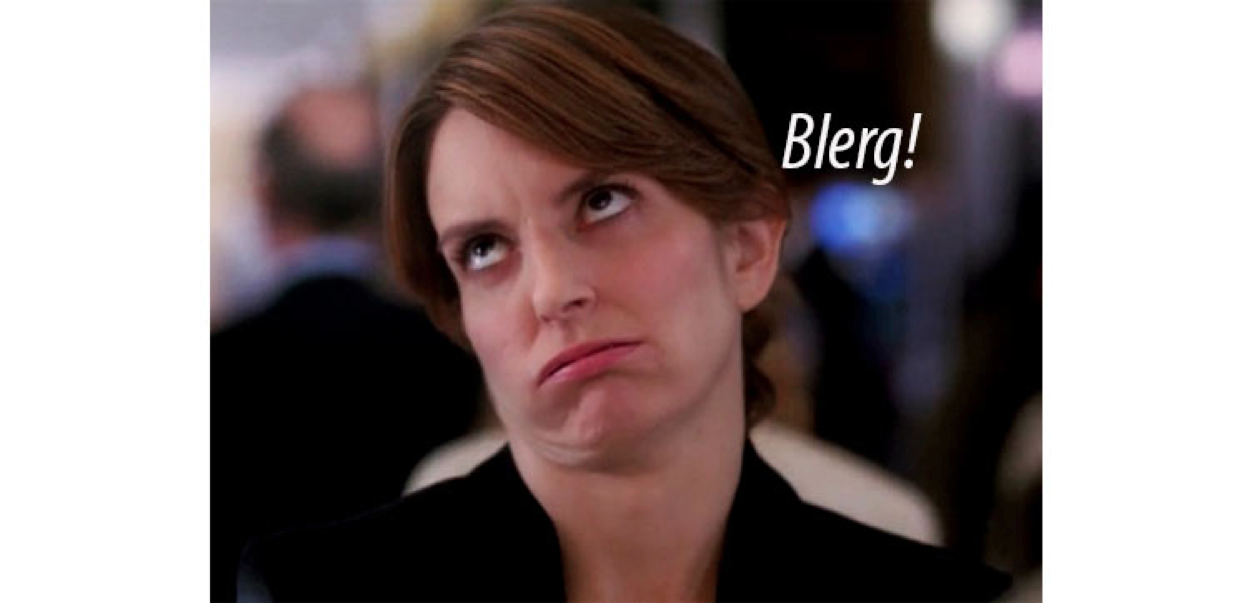
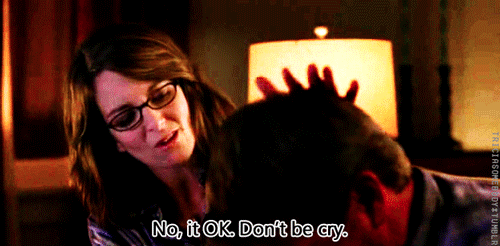
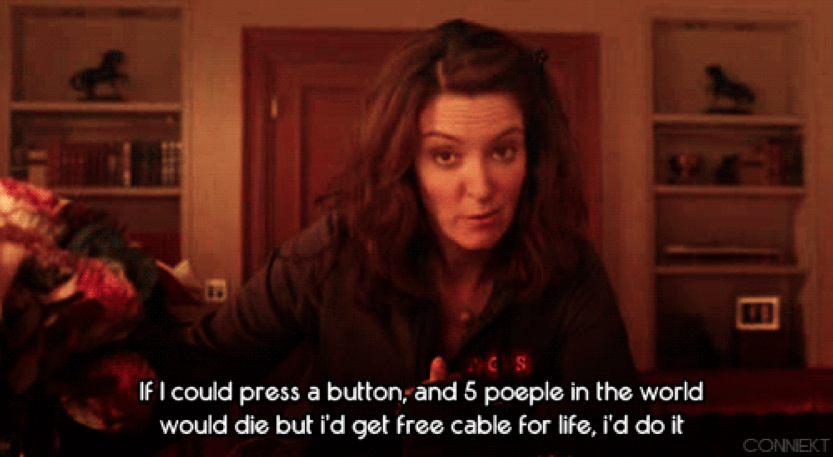
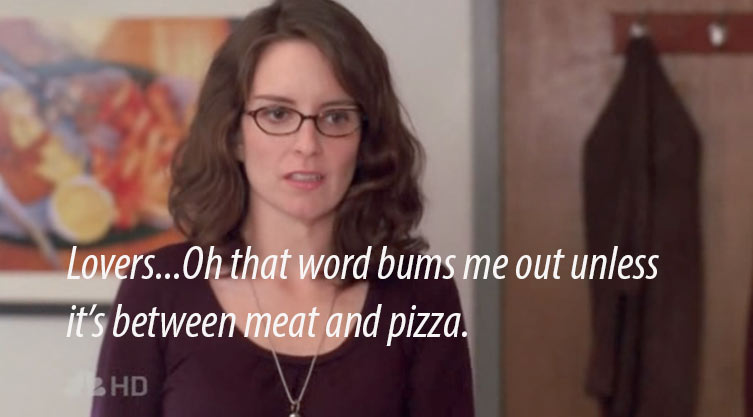
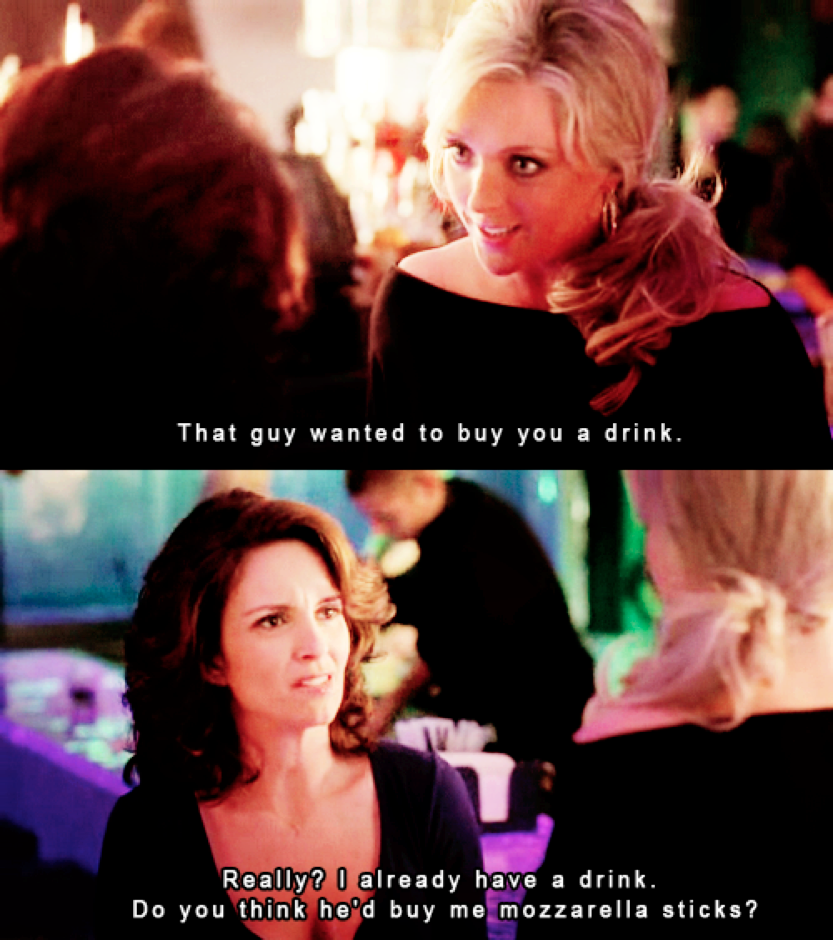
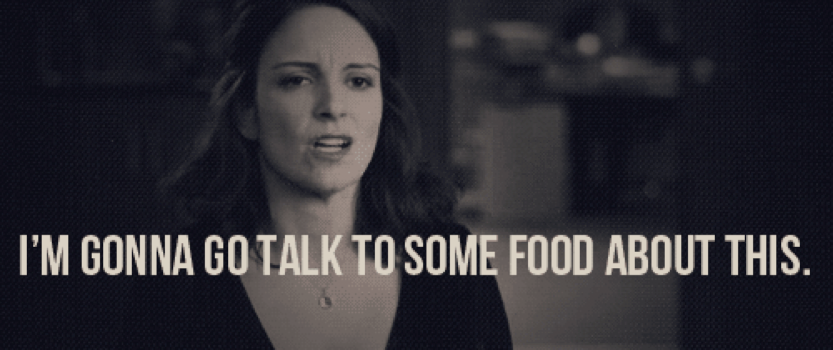
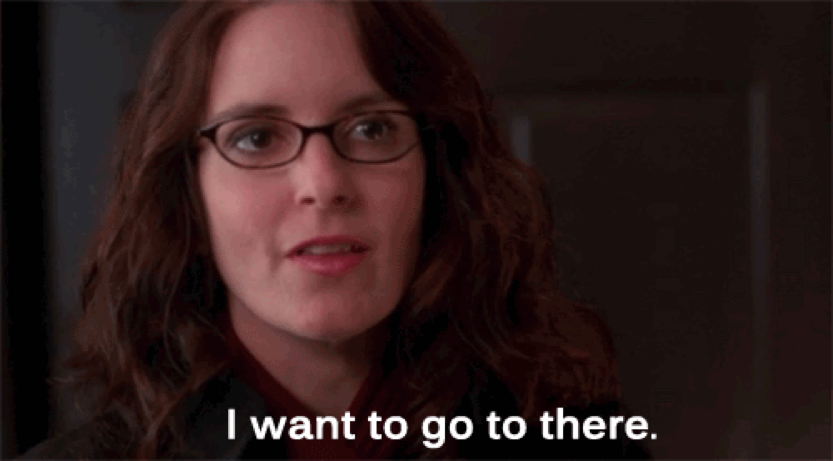
Liz Lemon’s (Somewhat) Helpful Insight About Paper Writing


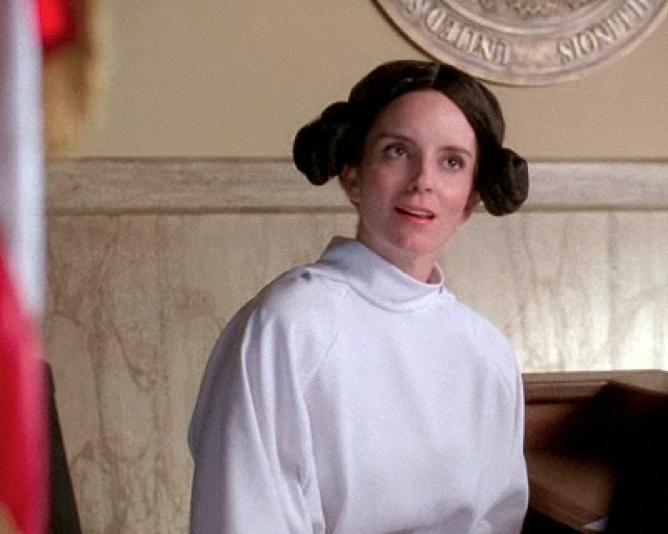
Meet my good friend, Liz Lemon.


She is the former head writer for “The Girlie Show with Tracy Jordan” on NBC. She knows that sometimes writing can make us a little crazy…


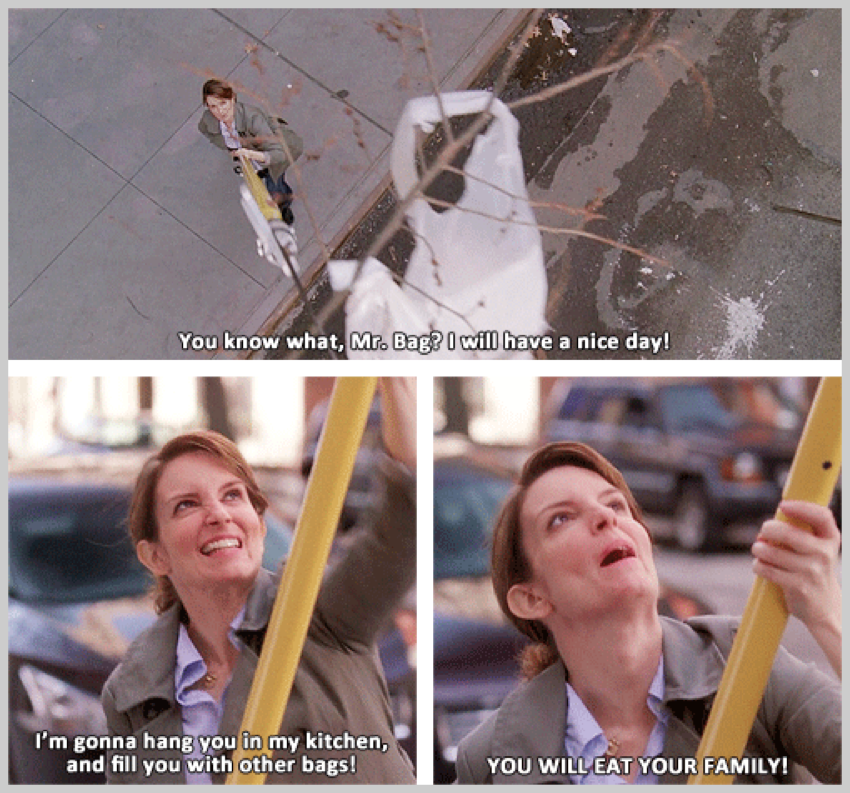
..so she is here to share some wisdom with us regarding writing.


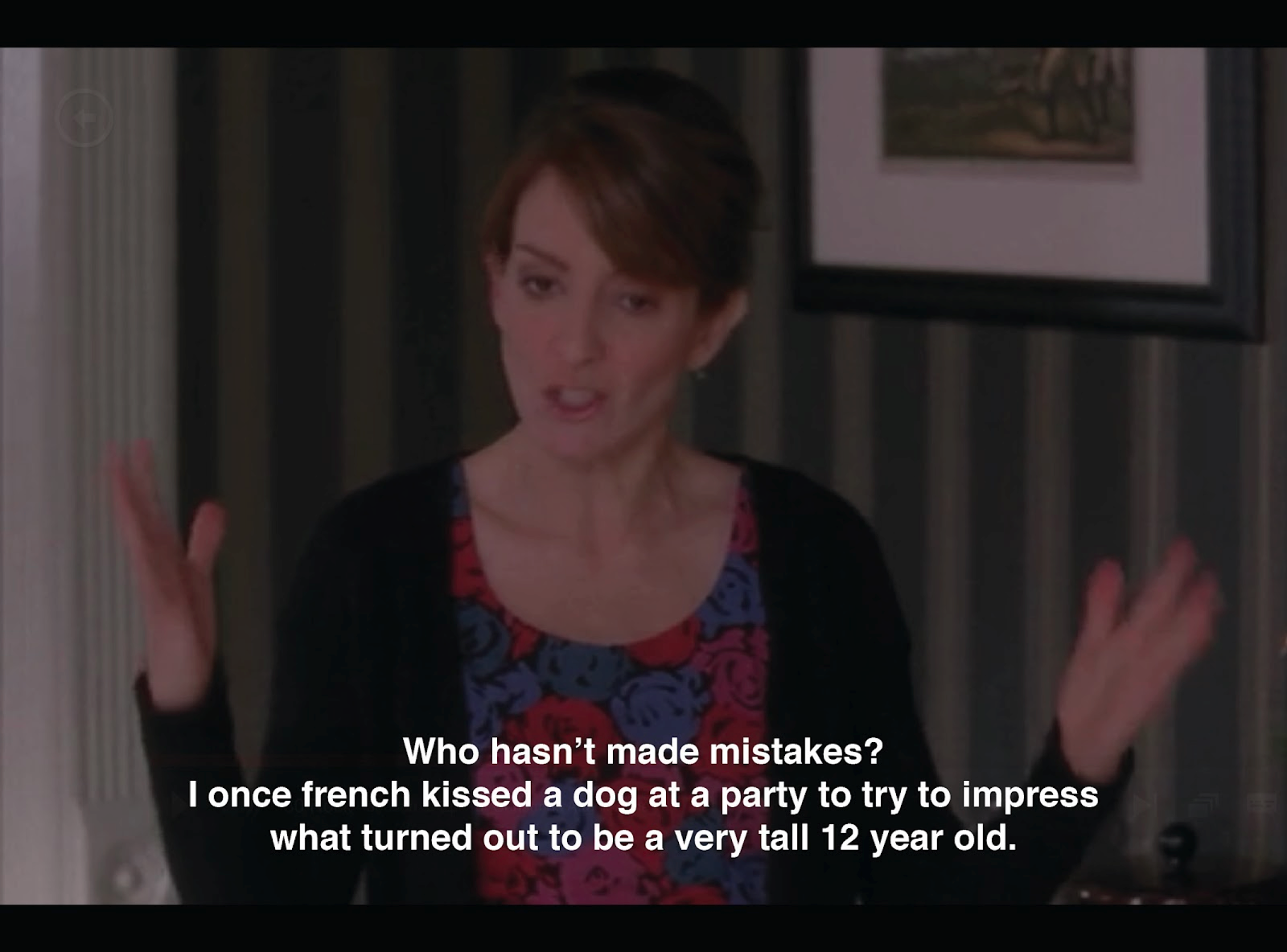
Mistakes are okay sometimes.


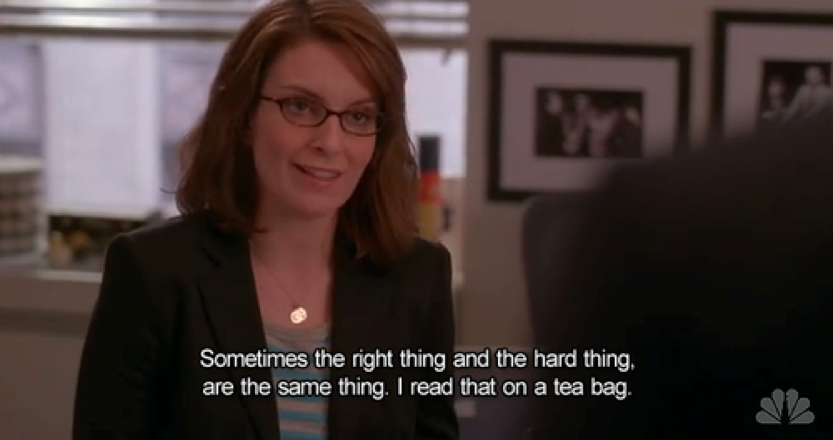
The right topic to write about might not be the easiest.


Creativity can be a good thing.*


*You probably shouldn’t use invented words in your paper.


Think about the words you use before turning in your final draft.


Sometimes, honesty in writing in the best policy...


...but you should first know your audience.


Word order is important.


In order to write a successful paper, you need to use multiple elements and not just stock up on one.


Staying in to write is a good idea, especially the night before it is due.


Talking out ideas for your paper can be helpful.


Come see us at the Miller Writing Center!


-Dianna

Monday, February 3, 2014

Meet the Staff Monday: Jake Clawson


Consultant: Jake Clawson


Major:  PhD in History

Year: 3rd year

What do you like doing best in your spare time?  
I ran college cross country and track when I was an undergraduate, so I still enjoy going out and running every day.

What’s the best advice anyone has ever given you about writing?
The first thing that comes to mind is Hemingway’s line about “the first draft of anything,” but that’s probably a little too crass for the blog.  So, I’ll go with the second best piece of writing advice anyone has ever given me.  I had turned in a book review for a class during my first semester of graduate school, and next to my summary of the author’s argument my professor wrote, “Get to the point.”  It was the best advice I’ve ever gotten because it was so blunt that I’ll never forget it, and because I think being clear and concise are the marks of a good writer (at least for writing history).

What has been the most rewarding part of your job at the Miller Writing Center?  
I’ve really enjoyed getting to work with writers from a variety of disciplines.  Obviously, I’ve worked with a lot of the freshmen in the composition classes, and that’s been fun.  Also, though, I’ve enjoyed working with other graduate students who are in disciplines much different from my own, like business and science.  I learn something new every time, and I get to talk to other people about how they go through the writing process.

Is there anything challenging about your job? If so, what is it?
Working with science writing.  I can’t get used to passive voice

Hidden talent?
I can touch my nose with my tongue.  Does that count?
(Staff response: That definitely counts.)

Any good book recommendations?   
Right now I’m reading Edmund Morgan’s American Slavery, American Freedom:  The Ordeal of Colonial Virginia.  Morgan addresses the salient paradox of early American history, specifically, how colonial Virginians could be so insistent on maintaining their liberties and freedom as Englishmen while also basing their society on African slavery.  Morgan has a keen eye for historical analysis, and he’s a great writer.  Although I’m a Civil War historian, it’s probably the most important book written about American history in the past 50 years.

You can work with Jake in our Athletics location of the Writing Center on Monday from 5-9PM, Tuesdays from 5-6PM, and Wednesdays from 5-7PM!